
Is Your Toy Porous? A Quick Material Test


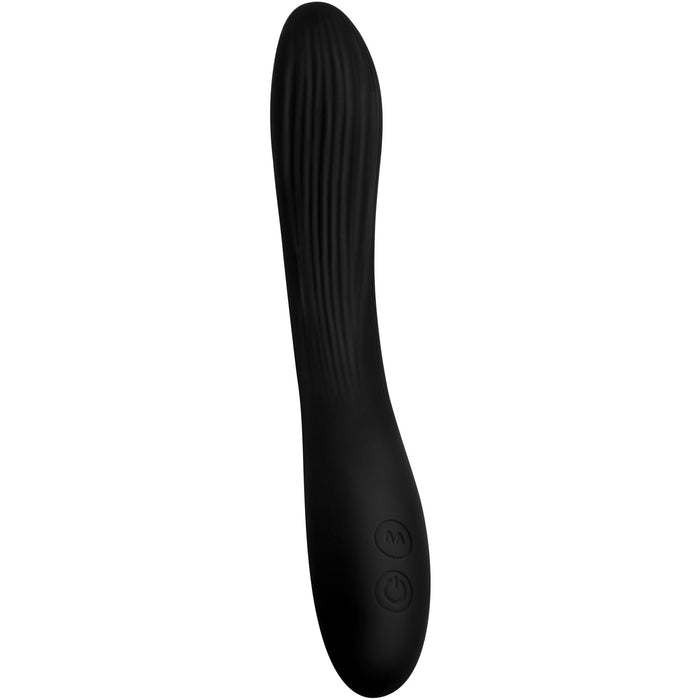
We talk a lot about non-porous toys, and for good reason. Quick refresher from our Why Go Non-Porous? page: a porous material is full of tiny holes that air and liquid can get into. Some sex toys on the market are basically sponges. Bacteria moves in and stays, no matter how well you wash them, and some of those materials are softened with phthalates on top of that.
That's easy to avoid when you're buying something new. But what about the toys already sitting in your drawer, with no box, no label and no idea where they came from? Here's a quick way to check.
Why it matters
A toy that holds on to bacteria doesn't stay in the drawer. It goes back inside your body, again and again. That's how porous toys can trigger an outbreak of an existing infection, bring back a bacterial or yeast infection you thought was gone, or pass infections between partners when the toy is shared without a barrier.
On top of that, a lot of cheap porous toys are softened with phthalates, chemicals that make plastic flexible and that have been linked to health concerns. Sex toys are often sold as "novelties", so there's no rule saying a box has to tell you what's inside. That's why a two-minute check is worth it.
First, the cheat sheet
Non-porous (the good stuff): silicone, glass, ABS plastic, metal, stone and specially treated wood.
Usually porous: jelly, rubber, PVC, TPE or TPR, skin-like "real feel" materials and sil-a-gel style compounds.
If you know the material, you're done. If you don't, keep going.
The five-minute test
You don't need a lab, just your nose, your eyes and your hands.
- 1. Check the label or listing. If you still have the box or can find the product page, look for a named material like "100% silicone". Be suspicious of "silicone blend", "phthalate-free" (that's not a material) and especially "for novelty use only", which usually means nobody vouches for what's inside.
- 2. Smell it. A strong, foul, chemical-like odor is one of the clearest signs of a porous toy that may contain phthalates. Good silicone, glass and metal smell like nothing at all.
- 3. Look at it. Black spots that won't wash off, cloudy patches or discoloration mean something is living or breaking down inside the material. Toss it.
- 4. Feel the surface. An oily film that keeps coming back, or a sticky, tacky feel even when the toy is clean and dry, points to a porous material leaching its softeners.
- 5. Squeeze and stretch it. Jelly and TPE toys are very stretchy, often see-through and a little greasy to the touch. Silicone feels smooth and silky, has less give and springs right back to shape.
For hard toys: real glass feels heavy and cold and doesn't scratch easily, while acrylic is lighter and warms up fast. Metal toys should be solid, not plated; plating that chips or flakes is a problem.
The usual suspects
Some toys are porous almost by design. Strokers and masturbation sleeves get their soft, skin-like feel from TPE, TPR or similar blends, and super-realistic dildos with a "skin" layer are often the same. Cheap jelly vibrators and anything that looks translucent and wobbly belong on the list too. That doesn't mean you can't enjoy them, it just means they need the porous-toy rules below and a shorter shelf life.
Also check older toys you got years ago or as a gag gift. Porous materials change with age: they get sticky, cloudy or misshapen, and that's your sign.
What about the flame test?
You'll see it online: hold a lighter to the toy, and if it's silicone it won't melt. We don't recommend it. You're holding a flame next to a battery and a motor, you'll damage the toy either way, and a blend can still fool you. If you're still unsure after the checks above, the safest answer is to treat the toy as porous.
Your toy failed. Now what?
Don't panic. A porous toy isn't going to hurt you overnight, but it does need some rules:
- Cover it. Use a condom over it every time, and switch to a fresh one between partners or between anal and vaginal play.
- Don't share it. Porous toys can pass infections from one person to the next.
- Clean it gently. Warm water and mild soap. You can't boil or sterilize porous materials, so they'll never be truly clean.
- Store it alone. Some porous materials react with other toys they touch, so give it its own bag.
- Use water-based lube. It's the safest match. Our guide to water-based vs silicone lube explains why.
- Know when to let go. Black spots, a smell that won't go away, a sticky surface or any irritation after use mean it's time to replace it.
If your toy passed: keep it that way
Non-porous doesn't mean maintenance-free. Wash the toy with warm water and mild soap or a toy cleaner after every use, and let it dry completely before you put it away. Solid silicone, glass and stainless steel toys without a motor can be boiled for a few minutes to fully sanitize them. Anything with a motor or a charging port can't, so stick to soap and water and keep the port dry.
Store each toy in its own pouch, away from dust, and check it every now and then. Even silicone can tear, and a crack is a place for bacteria to hide.
Upgrading? Here is what to look for
When it's time for a replacement, look for silicone, glass, metal or ABS plastic, and a brand that clearly states what its toys are made of. Those materials can be properly cleaned, they last longer and they won't hold on to anything they shouldn't.
Have a look at our vibrators and dildos, and if you're shopping for two, our guide on how to pick your first couples vibrator will help you narrow it down. Your body deserves better than a sponge.