
Water-Based vs Silicone Lube: When to Use Each


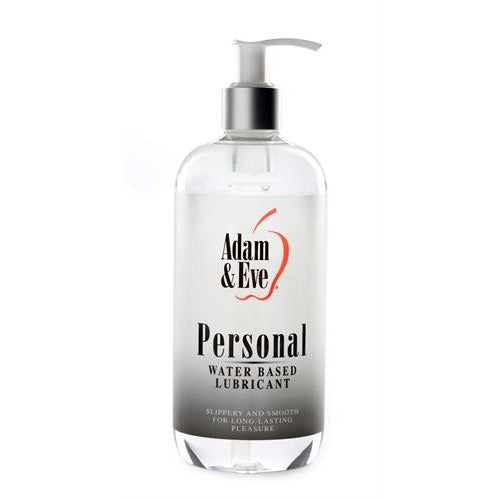
Let's clear something up first: using lube doesn't mean something is wrong. It just makes almost everything feel better, from toys to quickies to long nights in. The real question is which kind to use, and the two you'll see most are water-based and silicone. They're not interchangeable, and picking the wrong one can ruin a toy or a condom.
Here's what each one is good at, where each one falls short, and a quick cheat sheet for when to reach for which.
Water-based lube: the all-rounder
If you only own one bottle, make it water-based. It works with every toy material, silicone included, and it's safe with all condoms. It washes off with plain water and won't stain your sheets.
The downside is staying power. Water-based lube gets absorbed by the skin and dries out, so you'll need to reapply during longer sessions. A few drops of water (or a little more lube) usually brings it back to life. Some formulas also get tacky as they dry.
Read the ingredients. Some water-based lubes contain glycerin or parabens, which can irritate sensitive people or anyone prone to yeast infections. A short ingredient list is usually a good sign. Thicker gels are great for anal play, while thinner, more liquid formulas feel natural for vaginal sex and toys.
Silicone lube: the long-hauler
Silicone lube isn't absorbed by the skin, so it stays slippery much longer, and a little goes a long way. That makes it a favorite for anal sex, long sessions, massage and hand play. It also doesn't rinse away in water, which makes it the go-to for shower or bath sex. It's safe with latex condoms.
The trade-offs: it takes soap and warm water to wash off, it can stain fabric, and it makes a shower floor dangerously slippery, so watch your step. The big one is toys: silicone lube can break down the surface of some silicone toys, leaving them gummy or sticky. More on that next.
The toy compatibility rule
- Silicone toys: use water-based lube. If you really want silicone lube with a silicone toy, test a small dab on the base first and leave it for a while. If the surface turns tacky or dull, stop.
- Glass, stainless steel and ABS plastic toys: anything goes. These materials don't react with either kind of lube.
- Porous toys (jelly, TPE, rubber): water-based lube, and ideally a condom over the toy. Not sure what your toy is made of? Our quick material test will help, and our Why Go Non-Porous? page explains why it matters.
How to read a lube label
The front of the bottle tells you the base. The back tells you everything else. A few things worth looking for:
- Glycerin and other sugars. They add slip and sweetness, but they can feed yeast in people who are prone to infections.
- Parabens and harsh preservatives. Not everyone reacts to them, but if you're sensitive, simpler is better.
- pH. Some brands list it. For vaginal use, a lube close to the vagina's naturally acidic pH tends to be gentler.
- "Warming", "tingling", "cooling" or "desensitizing". These are extra ingredients doing extra things. Fun for some, irritating for others.
If a lube leaves you itchy, burning or irritated the next day, it's not you. Switch to a simpler formula and see if it clears up.
Signs you're using the wrong lube
- You're reapplying every few minutes. Try a thicker water-based gel, or silicone if your toys allow it.
- It turns sticky or stringy. Common with some water-based formulas as they dry. A few drops of water help, or try another brand.
- Your silicone toy feels gummy afterwards. That's silicone lube reacting with it. Switch to water-based for that toy.
- Stinging or burning. Stop, rinse with plain water, and look for a formula without the ingredients above.
Lube and condoms
Both water-based and silicone lubes are safe with latex condoms. Oil-based products are not: coconut oil, body lotion, massage oil and petroleum jelly weaken latex and polyisoprene and can make a condom break. If a condom is involved, keep the oils for the massage before and switch to water-based or silicone lube when things move on.
Quick picks: when to use each
- First night with a new toy: water-based.
- Anal: a thick water-based gel, or silicone lube if your toy isn't silicone.
- Shower or bath: silicone.
- Long sessions and massage: silicone.
- Sensitive skin: a simple water-based formula without glycerin or parabens. Patch test it on your inner arm first.
- Oral: a flavored water-based lube, but check the sugar content if you're prone to infections.
- Couples vibrators: water-based, since most of them are silicone. More on that in How to Pick Your First Couples Vibrator.
What about hybrid, warming and numbing lubes?
Hybrid lubes mix a water base with a little silicone for a creamy feel that lasts longer than plain water-based. Treat them like silicone lube around silicone toys and do a spot test.
Warming and tingling lubes can be fun, but they can also sting. Try a small amount first, and keep them away from irritated or broken skin. Numbing lubes deserve extra care: pain is your body telling you to slow down, and numbing it during anal play can hide a problem. Going slower with plenty of regular lube is the better plan.
How much should you use?
Start with about a coin-sized amount, on the body and on the toy, and add more as you go. Anal play needs more, and more often, because there's no natural lubrication. There's no prize for using too little.
Keep the cap closed and the bottle out of direct sun, and check the expiry date on bottles that have been sitting in the drawer for a while. If the color, smell or texture changes, replace it.
Want to stock up? Browse our lubricants and lotions and keep one of each kind in the nightstand: water-based for toys, silicone for the shower. You'll never have to guess again.